
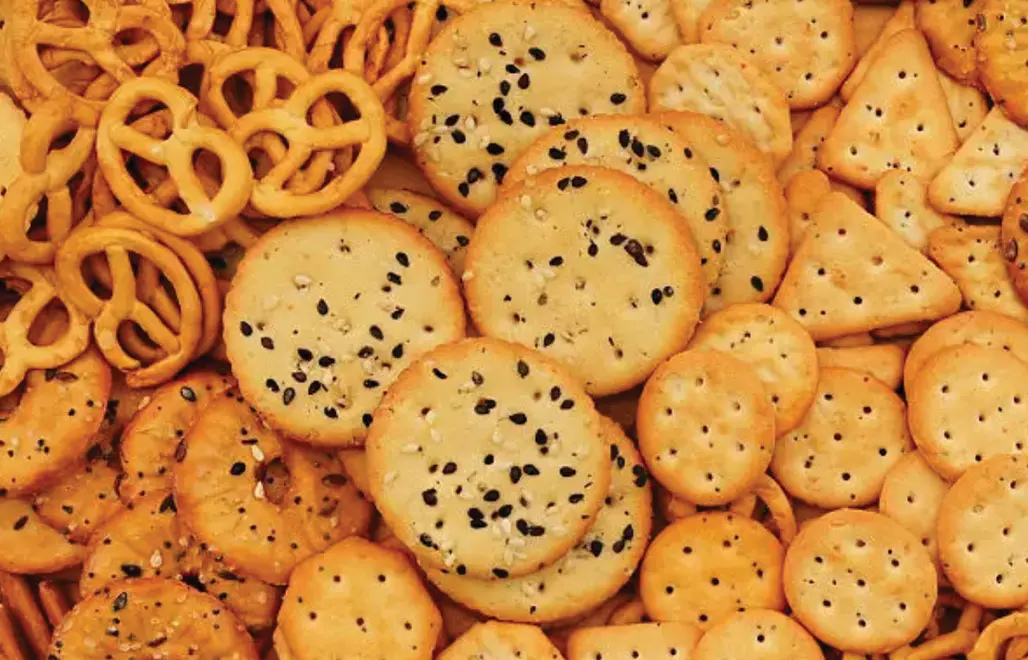
Snack Foods
Controlling temperature, time, and humidity is essential in snack food production to ensure consistent product quality, texture, flavor, and safety. Precise control prevents defects like improper spread or texture, optimizes nutrient retention, manages moisture for shelf-life, and avoids the formation of harmful compounds.
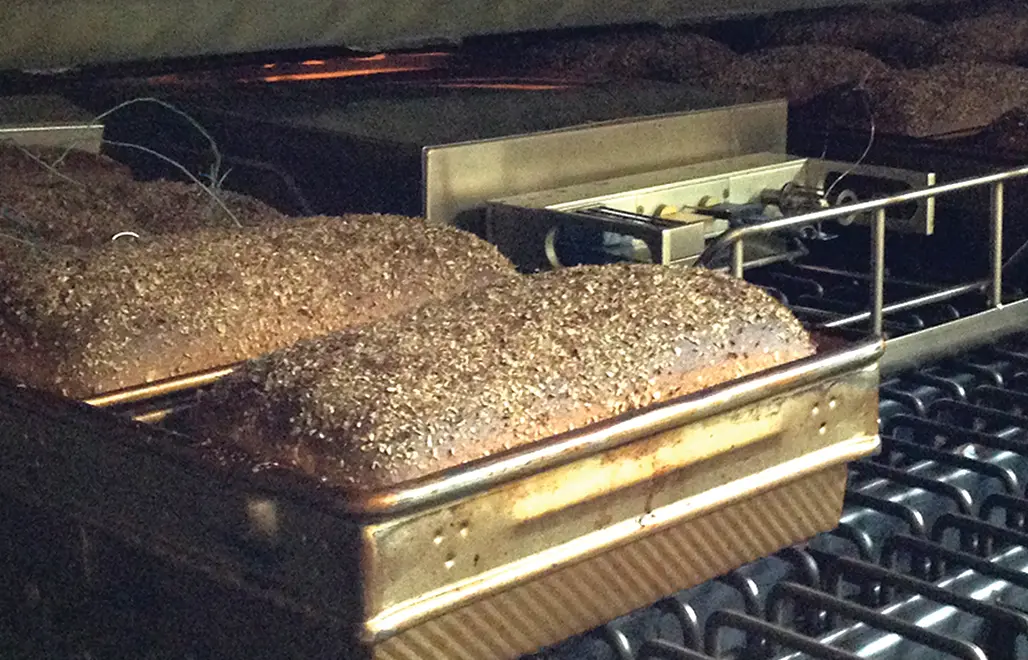
Bread and Bun
Temperature, time, and humidity are essential elements for producing high-quality bread and buns, affecting crust color, crumb texture, and volume. Precise control ensures consistent, optimal fermentation, prevents over/under-baking, and guarantees a perfect, light, and airy structure.
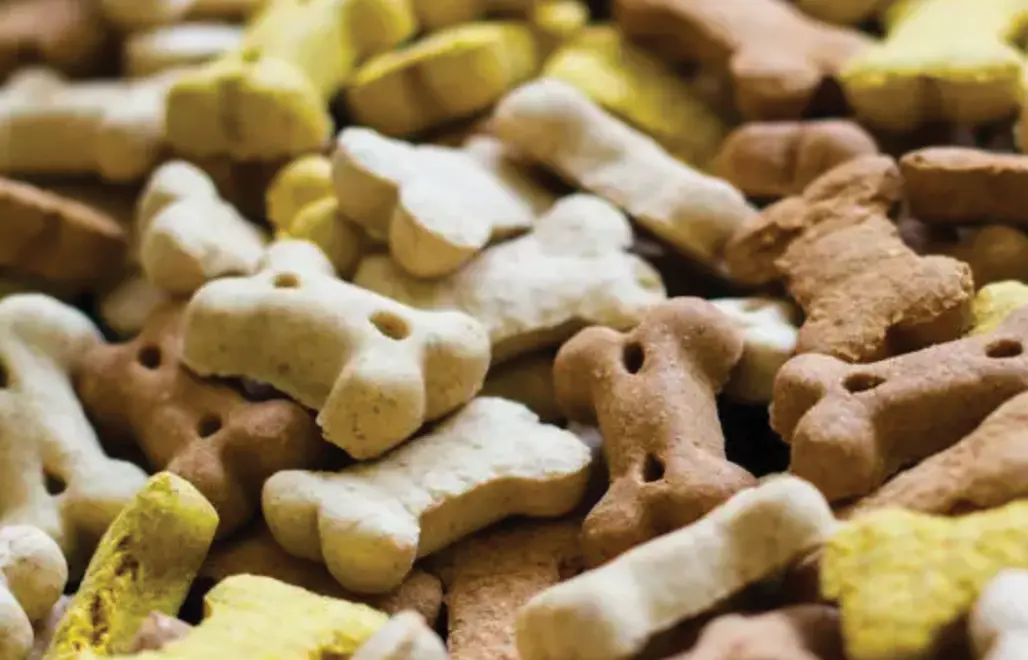
Pet Foods
Controlling baking parameters — such as temperature, moisture, time, and airflow — is critical in pet food production to ensure safety, nutritional integrity, and product consistency. Because pet food requires a validated “kill step” to eliminate pathogens like Salmonella — precise control prevents cold spots or undercooked, dangerous products.
Prepared Foods and Meats
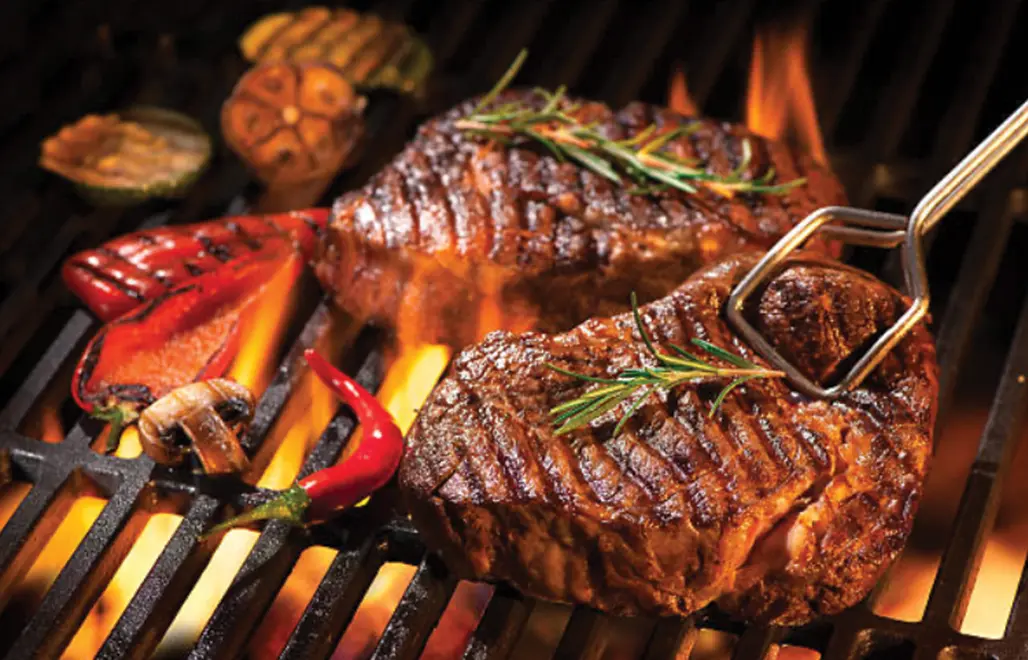
Controlling heat in the preparation of meat and food is one of the most critical aspects of food safety and quality management. It serves as the primary mechanism or destroying pathogens, preventing spoilage, maintaining nutritional value, and ensuring optimal texture and flavor.
Composites and Textiles
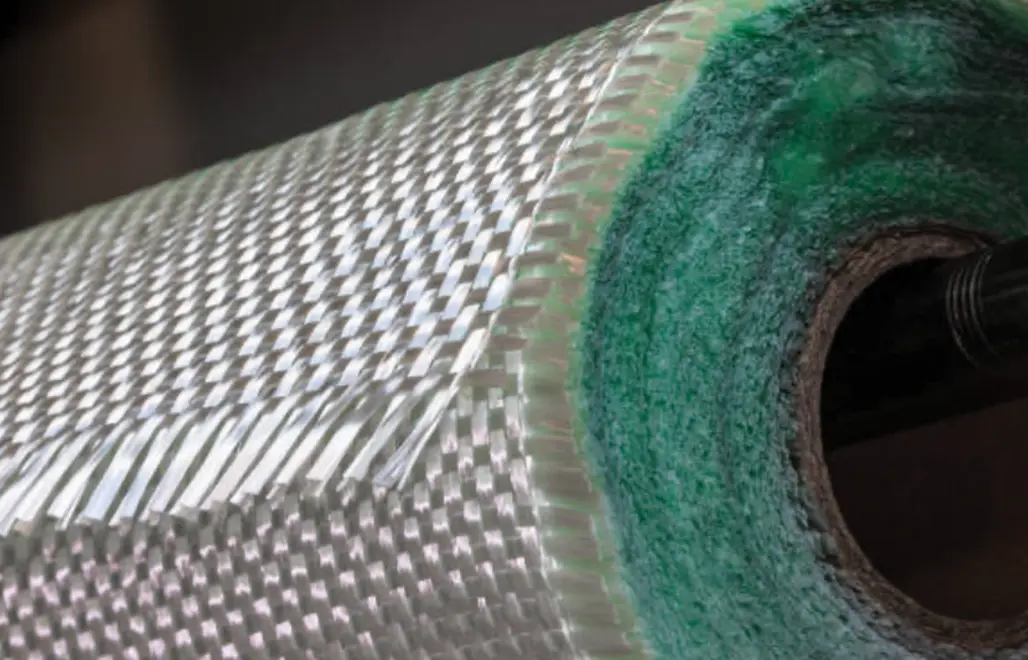
Composite Manufacturing requires precisely controlled heating and cooling cycles. For textiles, heat control is crucial for fiber production, non woven molding, drying and dyeing processes.
Curing and Coatings
In the Industrial Curing and Coating Process, under-heating can result in soft product that lacks structural integrity, while over-heating can result in your material becoming brittle. For Coatings, temperature significantly impacts coating tackiness, flow, adhesion and proper curing.
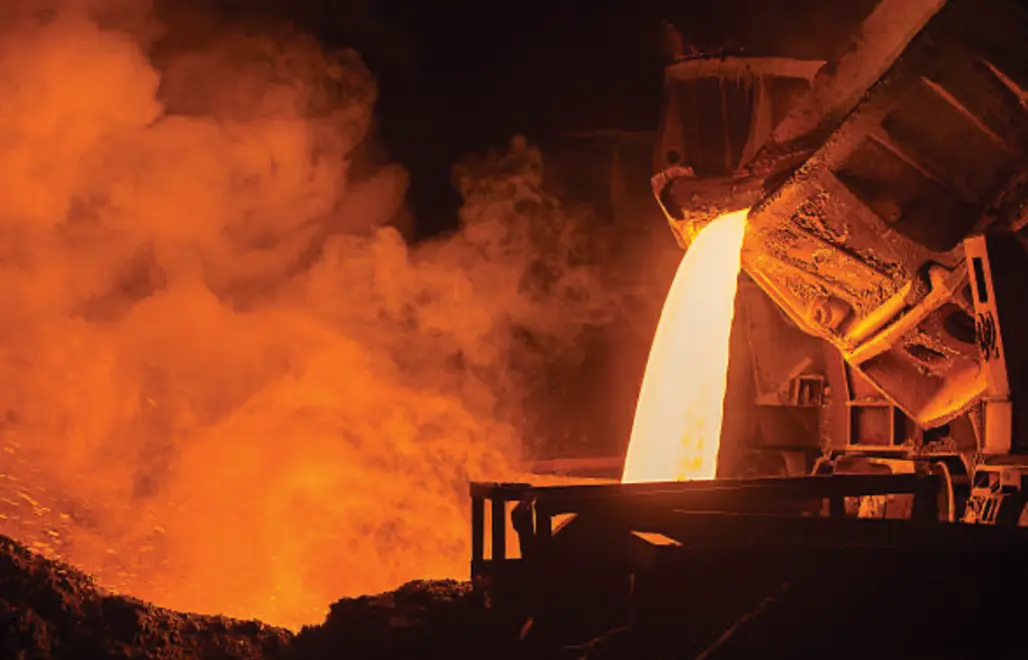
Metallurgy
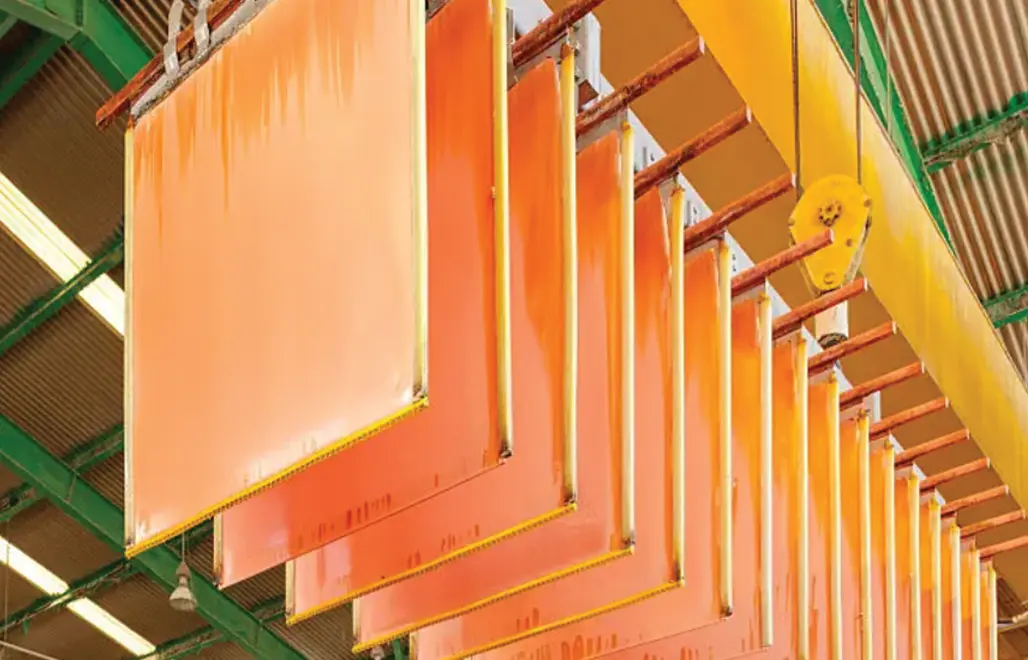
Heat determines how well elements dissolve into one another. If you miss the target temperature by as little as 20 degrees Centigrade, the transformation may be incomplete.